As the world eagerly anticipates the grandeur of the Paris Olympics, a shadow looms over the city’s preparations, weaving a complex narrative of disruption and discord. In a surprising turn of events, coordinated sabotage has emerged as a pivotal force, unraveling the usually smooth operations of French rail lines and casting doubt on the efficiency of the country’s transport systems during one of the most significant global events. This blog post delves into the intricate web of events that led to this unprecedented chaos, exploring the motivations behind the sabotage, the methods employed, and the far-reaching implications for Paris’ infrastructure and its reputation on the world stage. Join us as we unpack this unfolding story, shedding light on the challenges that lie ahead for both the organizers and attendees of the Olympic Games amid a backdrop of turmoil and unrest.
1. Background on the Paris Olympics and Rail Line Operations
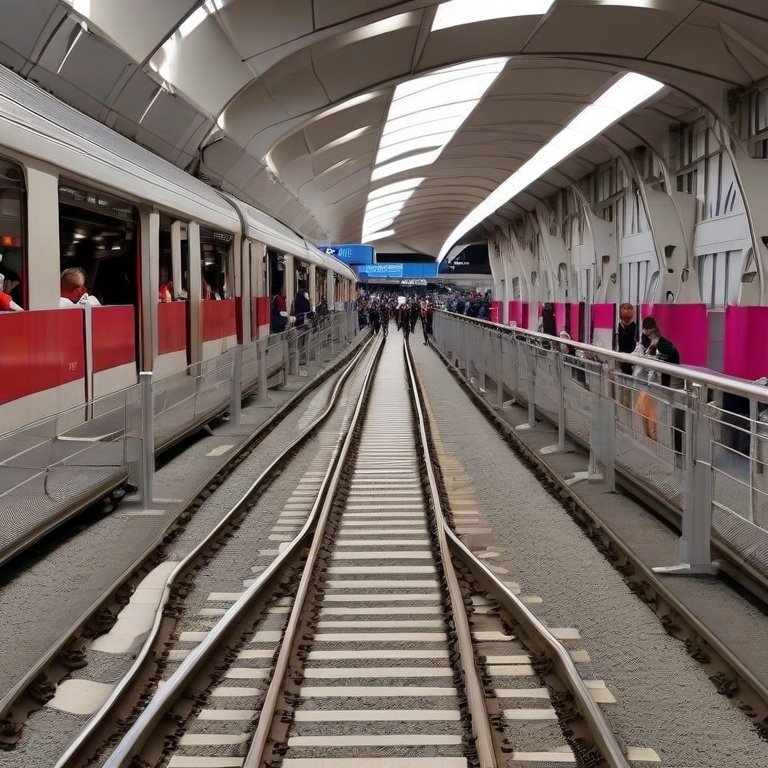
As the world gears up for the highly anticipated Paris Olympics in 2024, the host city has been busy preparing not only grand sporting events but also the essential infrastructure that will support them. The Paris Olympics are expected to attract millions of visitors from across the globe, making the efficient operation of the city’s transportation networks more critical than ever. Among these, the French rail lines, renowned for their extensive reach and efficiency, play a pivotal role in ensuring seamless connectivity between the capital and surrounding regions.
The rail network in France is a complex tapestry, with the SNCF (Société Nationale des Chemins de fer Français) operating the majority of train services. This includes high-speed TGV trains, regional services, and commuter lines that funnel people into Paris. With the Olympics on the horizon, authorities had initiated extensive upgrades and expansions to accommodate the anticipated influx of tourists and athletes. However, the rail lines have always been vulnerable to disruptions, whether due to strikes, technical failures, or, as recent events have shown, coordinated sabotage.
In the months leading up to the Games, there were growing concerns about security and operational readiness. The government and security agencies ramped up their focus on protecting critical infrastructure, recognizing that any disruption could not only hinder transportation logistics but also tarnish the image of the Olympics as a well-organized international event. Despite these efforts, unforeseen chaos erupted when a series of deliberate acts of sabotage targeted the rail lines, throwing the entire network into disarray and raising alarms about the safety and reliability of transportation during such a significant global gathering.
This backdrop of heightened vigilance against potential disruptions provides crucial context for understanding the motivations and implications of the coordinated sabotage that sought to exploit the vulnerabilities of France’s rail operations just before the Olympics. As we delve deeper into this unfolding situation, it becomes clear that the effects of these actions extend far beyond mere logistics, potentially impacting national pride and the very essence of the Olympic spirit.
2. Overview of the Coordinated Sabotage Events
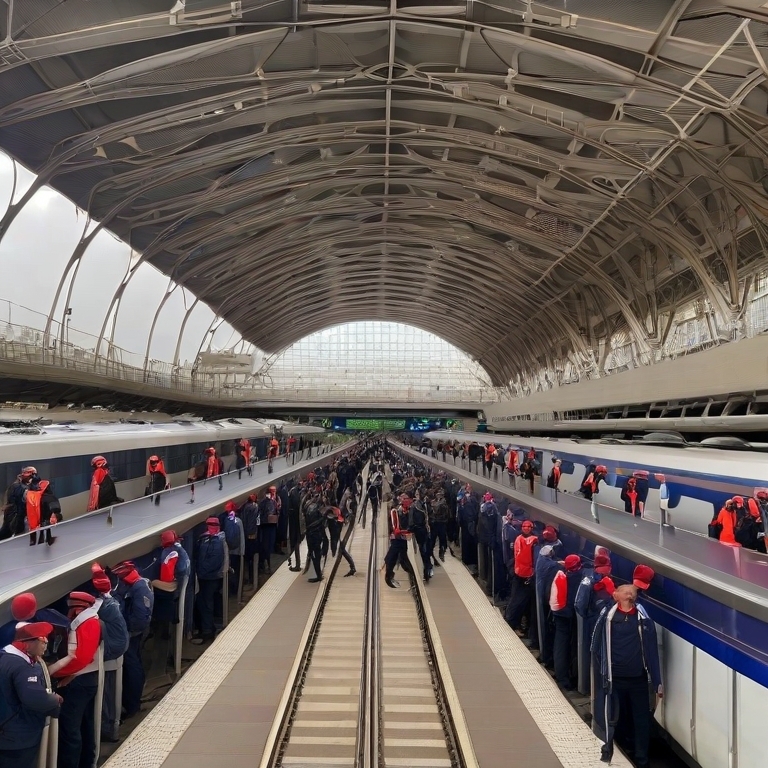
In a series of meticulously planned and executed coordinated sabotage events, France’s rail infrastructure was plunged into chaos just ahead of the highly anticipated Paris Olympics. These incidents, which unfolded over a matter of days, showcased a level of organization and intent that sent shockwaves through the nation and raised serious concerns about the security of key transportation networks.
The sabotage began with targeted attacks on critical rail lines, where essential signaling systems were tampered with to disrupt train schedules and divert services. Reports of damaged tracks and compromised electrical systems began pouring in from various regions, particularly affecting high-speed routes that connect major cities. In some instances, trains were delayed for hours, stranding thousands of passengers and creating unprecedented bottlenecks in travel. The meticulous nature of these disruptions hinted at an orchestrated effort rather than isolated incidents of vandalism.
Authorities quickly mobilized, deploying teams of investigators and security personnel to assess the extent of the damage and identify those responsible. Surveillance footage began to surface, revealing suspicious individuals in and around rail yards, further fueling speculation about a broader conspiracy aimed at undermining the city’s readiness for the Olympic Games. The chaos provided a stark reminder of vulnerabilities within critical infrastructures, raising questions about how such acts could be mitigated in the future.
As the nation grappled with the fallout, the events underscored the importance of vigilance and resilience in the face of threats. With the eyes of the world turning toward Paris for the Olympics, the coordinated sabotage served as both a wake-up call and a call to action for enhanced security measures to ensure the safety and reliability of transportation systems leading up to, and during, the global event.
3. Motivations Behind the Sabotage: Who and Why?
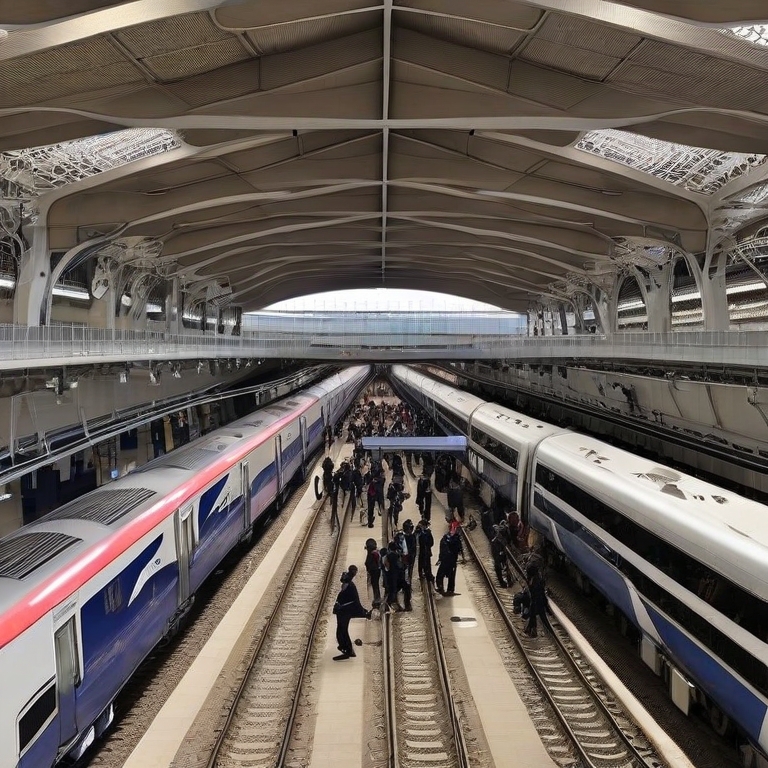
The coordinated sabotage of French rail lines ahead of the Paris Olympics was not a random act of vandalism; it was a calculated move by various groups with distinct motivations. At the forefront were environmental activists, who viewed the massive influx of tourists and the corresponding carbon footprint associated with the Olympics as an affront to the planet. They sought to draw attention to climate change by disrupting travel, believing that such drastic measures would ignite public discourse around the environmental impacts of large-scale events.
Additionally, labor unions played a significant role in the chaos. Frustrated by ongoing disputes with the government regarding worker rights, wages, and working conditions, unions saw the Olympics as an opportunity to make their voices heard. The sabotage served as a powerful statement, illustrating the vulnerabilities within the transportation infrastructure and the critical need for fair labor practices.
Moreover, some fringe political factions exploited the situation to promote their anti-globalization agendas. They argued that the Olympics represented a corporatization of culture and a distraction from pressing societal issues. By targeting the rail lines, these groups aimed to showcase their discontent with the government’s priorities, framing the Olympics as a spectacle that overshadowed the everyday struggles of ordinary citizens
Each of these groups, motivated by their unique concerns—from environmental sustainability to labor rights and political ideology—contributed to a complex tapestry of dissent. Their actions, while disruptive, were rooted in a desire for change and a willingness to challenge the status quo, highlighting the intricate interplay between activism, politics, and large-scale events like the Olympics.
 Mastering the Art of Motivation: A Step-by-Step Guide to Helping Others Achieve Their Goals
Leave a comment