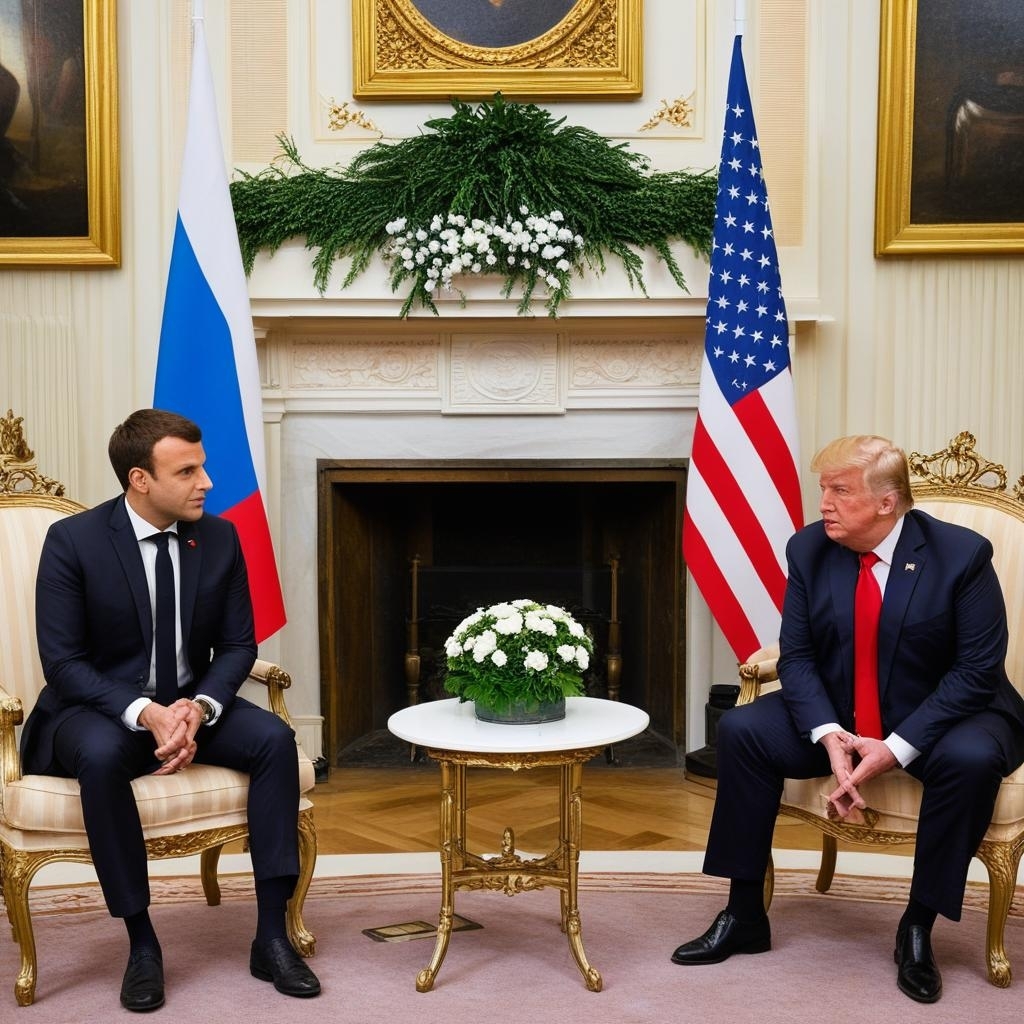
In a world where geopolitical tensions often dominate the headlines, the dialogue surrounding the future of Ukraine has been particularly poignant. Recently, French President Emmanuel Macron and US President Donald Trump engaged in a pivotal discussion, navigating the intricate landscape of diplomacy, security, and humanitarian concerns that surround the ongoing conflict. As the stakes rise and the international community watches closely, both leaders are tasked with addressing the urgent need for peace while balancing the diverse interests of their nations and allies. In this blog post, we delve into the key takeaways from their conversation, exploring how their differing perspectives and strategies could shape Ukraine’s future and redefine global alliances in this turbulent era. Join us as we unpack the nuances of this high-stakes dialogue, shedding light on the quest for a sustainable resolution that honors the aspirations of the Ukrainian people without sacrificing the principles of justice and sovereignty.
1. Overview of the Ukraine Conflict
The Ukraine conflict, which erupted in 2014, has its roots in a complex web of historical, political, and cultural tensions. Following Ukraine’s Euromaidan protests and the subsequent ousting of pro-Russian President Viktor Yanukovych, Russia annexed Crimea, an act condemned by the international community and deemed a violation of international law. This dramatic shift sparked a war in Eastern Ukraine, where Russian-backed separatists declared independence in the Donetsk and Luhansk regions, leading to thousands of casualties and displacing millions of people.As the conflict has dragged on, it has evolved into a multifaceted crisis, marked by intermittent ceasefires, diplomatic negotiations, and ongoing military confrontations. The humanitarian impact has been devastating, with large numbers of civilians caught in the crossfire, facing hardships ranging from loss of homes to severe economic instability. The conflict has also drawn in global powers, with the West, led by the United States and European nations, imposing sanctions on Russia and providing military and economic aid to Ukraine, while Russia continues to assert its influence in the region.
In this context, the recent discussions between French President Emmanuel Macron and former U.S. President Donald Trump takes on critical significance. As both leaders grapple with the ongoing implications of the conflict, they face the intricate challenge of seeking a path to peace that respects Ukraine’s sovereignty while addressing the geopolitical realities posed by Russia. Their dialogue highlights the delicate balance between advocating for Ukrainian rights and engaging with Russia to find a sustainable resolution—an endeavor that could reshape the future of the region and influence global security dynamics.
2. Macron’s Approach to Peace and Diplomacy
In the complex geopolitical landscape surrounding the conflict in Ukraine, French President Emmanuel Macron has emerged as a prominent advocate for peace and diplomacy. His approach is characterized by a commitment to dialogue, a nuanced understanding of the intricacies at play, and an unwavering belief in the importance of multilateral cooperation. Macron’s philosophy centers on the idea that sustainable peace cannot be achieved through brute force or unilateral actions; instead, it demands a collaborative framework that respects the sovereignty of nations while addressing the legitimate security concerns of all parties involved.During his discussions with the U.S. President Donald Trump, Macron emphasized the need for a comprehensive diplomatic strategy that prioritizes negotiation over escalation. He has repeatedly called for a return to diplomatic channels, advocating for an inclusive dialogue that involves not only Ukraine and Russia but also key international stakeholders. Macron’s approach is informed by his belief that lasting solutions require addressing the root causes of the conflict, including historical grievances, territorial integrity, and the aspirations of the Ukrainian people.
Moreover, Macron’s strategy involves leveraging France’s position within the European Union and the United Nations to rally support for a unified response to the crisis. He recognizes that the path to peace is fraught with challenges, but he remains undeterred, consistently seeking innovative solutions that foster cooperation rather than division. His recent outreach efforts reflect a commitment to finding common ground, urging allies to engage in constructive conversations that could pave the way for a ceasefire and, ultimately, a sustainable resolution.
By prioritizing diplomacy and dialogue, Macron stands as a counterbalance to more aggressive tactics, illustrating that peace can be pursued without compromise on fundamental principles. His leadership in this tumultuous period underscores the vital role of diplomatic engagement in shaping a hopeful future for Ukraine and the broader region.
3. Trump’s Perspective on Security and Support
In the high-stakes arena of international diplomacy, former President Donald Trump brings a distinctive perspective to the ongoing conflict in Ukraine. Known for his unfiltered rhetoric and bold assertions, Trump emphasizes a security-first approach when discussing the U.S. support for Ukraine. His stance pivots on the belief that a robust national defense is paramount—not only for the United States but also for its allies. Trump often underscores the need for NATO countries to shoulder a greater share of the financial burden in supporting Ukraine’s defense efforts, advocating for a strategy that prioritizes American interests while ensuring that European partners contribute equitably to security initiatives.Trump’s perspective is marked by a strong skepticism towards open-ended military commitments, reflecting his “America First” philosophy. He argues that the U.S. should remain strategically involved in Ukraine but insists on clear and measurable objectives. This approach has sparked discussions about the importance of accountability in foreign aid, with Trump calling for a thorough evaluation of how funds are utilized and the outcomes they yield. In his view, effective support for Ukraine must translate into tangible results, reinforcing the importance of a mutually beneficial relationship between the U.S. and its allies.
Moreover, Trump is known for his willingness to engage directly with adversaries, suggesting that negotiation and dialogue can be powerful tools in achieving peace. He emphasizes the potential for diplomatic avenues that could lead to de-escalation, urging for a balanced approach that fosters stability without escalating tensions. His perspective on security and support resonates with a significant portion of the electorate that prioritizes pragmatic solutions to complex geopolitical issues, advocating for a strategy that promotes peace without compromising national interests As the discussions unfold between Trump and Macron, the interplay of their contrasting views on the future of Ukraine highlights the intricate dynamics of international relations in a time of crisis.
4. Key Discussion Points and Agreements
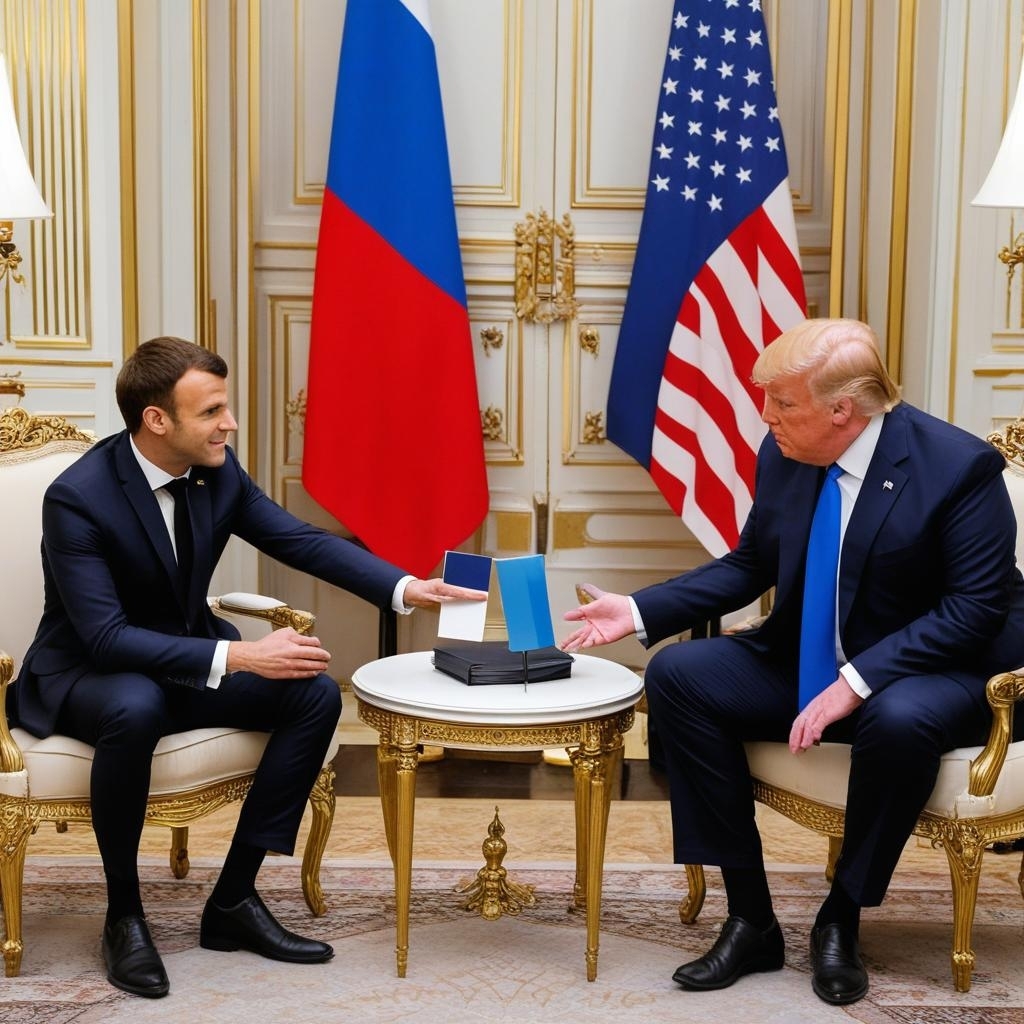
In a pivotal meeting between French President Emmanuel Macron and U.S. President Donald Trump, the leaders engaged in a detailed discussion centered on the ongoing conflict in Ukraine, reflecting their commitment to finding a path to peace without compromising core values. One of the key discussion points was the necessity of maintaining a unified stance in support of Ukraine’s sovereignty and territorial integrity. Both leaders emphasized the importance of continued diplomatic efforts and economic sanctions against aggressors to deter further escalations.Another significant area of agreement was the importance of international collaboration. Macron and Trump highlighted the need for stronger ties among NATO allies, advocating for a coordinated response that reinforces support not just for Ukraine, but for the principles of democracy and freedom across Europe. They discussed potential avenues for increased military assistance, stressing the need to empower Ukrainian forces while ensuring that such support does not escalate tensions further.
Moreover, the two leaders deliberated on the humanitarian impact of the conflict, recognizing the urgent need for aid and support for displaced populations. Macron proposed the establishment of a joint task force to streamline humanitarian efforts, while Trump supported increased funding to organizations aiding those affected by the war.
Lastly, they touched upon the long-term vision for peace in Ukraine, agreeing that any resolution must involve an inclusive dialogue with all stakeholders, including Ukrainian citizens, to ensure a sustainable and just outcome. This emphasis on dialogue was a testament to their understanding that peace is best achieved through consensus rather than imposition.
In summary, the meeting underscored a shared commitment to a multi-faceted approach to peace, balancing military support with diplomatic dialogue, humanitarian aid, and a united front against aggression, all while striving for a peaceful and prosperous future for Ukraine.
Moreover, Macron’s strategy involves leveraging France’s position within the European Union and the United Nations to rally support for a unified response to the crisis. He recognizes that the path to peace is fraught with challenges, but he remains undeterred, consistently seeking innovative solutions that foster cooperation rather than division. His recent outreach efforts reflect a commitment to finding common ground, urging allies to engage in constructive conversations that could pave the way for a ceasefire and, ultimately, a sustainable resolution.
Moreover, the two leaders deliberated on the humanitarian impact of the conflict, recognizing the urgent need for aid and support for displaced populations. Macron proposed the establishment of a joint task force to streamline humanitarian efforts, while Trump supported increased funding to organizations aiding those affected by the war.
Lastly, they touched upon the long-term vision for peace in Ukraine, agreeing that any resolution must involve an inclusive dialogue with all stakeholders, including Ukrainian citizens, to ensure a sustainable and just outcome. This emphasis on dialogue was a testament to their understanding that peace is best achieved through consensus rather than imposition.
Subscribe to my newsletter JOIN HERE
 Mastering the Art of Motivation: A Step-by-Step Guide to Helping Others Achieve Their Goals
Leave a comment