
In an era marked by unprecedented geopolitical shifts, the ongoing Ukraine crisis and the evolving landscape of U.S. politics are playing pivotal roles in reshaping global alliances. As tensions simmer in Eastern Europe, nations are forced to reevaluate their diplomatic strategies and partnerships, leading to a profound realignment of power dynamics across the continent. In this blog post, we will delve into how the conflict in Ukraine is not only galvanizing European nations to unite against aggression but also influencing the United States’ foreign policy approach. By examining these interwoven narratives, we’ll uncover the broader implications for international relations and how they may set the stage for a new world order. Join us as we explore the intricate connections between these developments and their impact on global unity and security in a rapidly changing landscape.
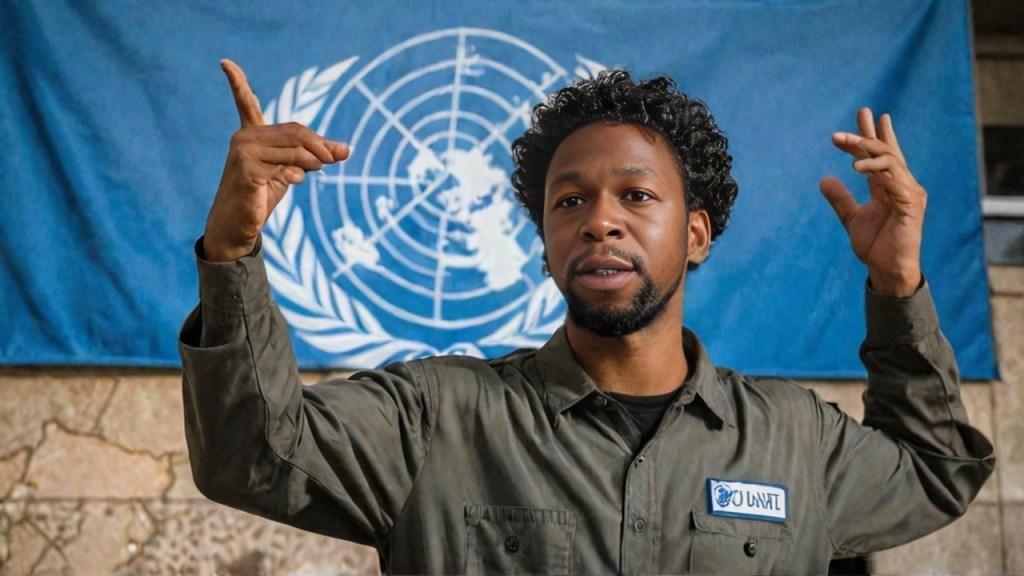
1. Overview of the Ukraine Crisis and Its Global Impact
The Ukraine crisis, which erupted in 2014 with Russia’s annexation of Crimea and escalated dramatically in early 2022 with the full-scale invasion of Ukraine, has fundamentally altered the geopolitical landscape of Europe and beyond. This conflict has not only resulted in immense human suffering and displacement but has also served as a catalyst for a re-examination of global alliances and security strategies. As nations grapple with the consequences of aggression and the threat it poses, the crisis has united European states in unprecedented ways, fostering a renewed sense of solidarity.
The ramifications of the Ukraine crisis extend far beyond Eastern Europe, prompting a wave of support for Ukraine from NATO allies and other nations worldwide. Economic sanctions against Russia have been implemented on a scale not seen since the Cold War, reshaping trade dynamics and highlighting the interconnectedness of global economies. The energy crisis spurred by the war has forced many European countries to diversify their energy sources, accelerating the transition to renewable energy and reducing dependence on Russian gas.
Moreover, the Ukraine crisis has reshaped U.S. politics, influencing foreign policy and domestic discourse around security and defense. Bipartisan support for Ukraine has emerged, reaffirming commitments to NATO and military aid, while also reigniting debates about the U.S.’s role on the global stage. As countries assess their positions in light of this ongoing conflict, we witness a dynamic realignment of alliances and partnerships that could redefine international relations for years to come.
In this context, understanding the Ukraine crisis and its global impact is crucial for comprehending the current state of international politics. The choices made by countries today will resonate deeply, influencing everything from economic policies to military strategies, as nations navigate the complexities of a world increasingly defined by conflict and collaboration.
2. The Role of U.S. Politics in Shaping Foreign Policy
The intricate relationship between U.S. politics and foreign policy has never been more evident than in the current geopolitical landscape, particularly in the context of the Ukraine crisis. As the U.S. grapples with its partisan divisions, these internal dynamics have a profound impact on how it engages with global allies and adversaries. The Biden administration has sought to champion a robust response to Russia’s aggression, advocating for a united front with NATO and European partners. However, this commitment is often met with scrutiny from various factions within Congress, reflecting a broader debate about America’s role on the world stage.
As domestic politics shift, so too does the U.S. approach to alliances. For instance, bipartisan support for Ukraine’s sovereignty has emerged as a rare unifying issue, illustrating that despite political divisions, there is a collective recognition of the need to uphold international norms. This has led to increased military aid, economic sanctions against Russia, and a call for greater collaboration with European nations. Yet, the future of such alliances remains contingent upon the political winds in Washington, where upcoming elections and differing ideologies could reshape priorities and strategies.
Moreover, the crisis has prompted a reevaluation of long-standing partnerships, compelling the U.S. to strengthen ties with Eastern European nations eager for security assurances. This shift illustrates how U.S. politics not only influences its immediate reactions but also the long-term restructuring of global alliances. The interplay between domestic agendas and foreign policy underscores a pivotal moment in global politics, where the responses to the Ukraine crisis may redefine transatlantic relations and the U.S.’s role as a global leader in a rapidly changing world. As these dynamics evolve, it becomes crucial to monitor how they will continue to shape alliances and geopolitical strategies in the months and years to come.
3. European Unity: Responses to the Ukraine Conflict
The Ukraine crisis has emerged as a pivotal moment for European unity, galvanizing nations to reevaluate their alliances and collective security. In the face of Russia’s aggressive actions, European countries have demonstrated an unprecedented level of solidarity, transcending historical differences and political divides. This unity has manifested through a multi-faceted approach that includes economic sanctions against Russia, increased military support for Ukraine, and a concerted effort to bolster the European defense landscape.
Countries like Germany, once hesitant to engage militarily, have shifted their stance, pledging significant arms shipments to Ukraine and committing to increased defense spending. This is a stark departure from their previous policies and highlights a broader trend across Europe, where nations are prioritizing security and stability over long-standing neutrality or isolationist tendencies. The European Union has also played a critical role, coordinating member states’ responses and establishing a robust framework for humanitarian aid, financial support, and refugee assistance.
Moreover, the crisis has catalyzed discussions around energy independence, prompting swift initiatives to reduce reliance on Russian gas and oil. Countries are investing heavily in renewable energy sources and exploring alternative suppliers, thus reinforcing their commitment to sustainability and resilience. This shift not only strengthens Europe’s geopolitical stance but also lays the groundwork for a more cohesive and united front against future threats.
As the conflict continues to evolve, the responses from European nations reflect a growing recognition that their fates are intertwined. The Ukraine crisis has become a defining test of European unity, revealing both the strengths and vulnerabilities of the continent. The collaborative spirit emerging from this turmoil could very well reshape the future of European alliances, fostering a sense of shared purpose that extends beyond immediate crises and towards long-term stability and peace.
4. Shifts in Global Alliances and Power Dynamics
The ongoing Ukraine crisis has catalyzed significant shifts in global alliances and power dynamics, reshaping the geopolitical landscape in ways that were previously unimaginable. As Russia’s aggressive actions have prompted a unified response from NATO and the European Union, countries are reevaluating their foreign policies and defense strategies. This unprecedented level of solidarity among Western nations has not only reinforced existing alliances but has also encouraged previously neutral countries to reconsider their positions.
For instance, Finland and Sweden, long-standing bastions of neutrality, are now contemplating NATO membership, highlighting an urgent desire for security in an increasingly unstable environment. The crisis has also revealed the vulnerabilities within the European energy market, prompting a concerted push towards energy independence and diversification away from Russian gas supplies. As European nations collaborate to strengthen their energy security, we witness a shift towards renewable energy sources and strategic partnerships with alternative suppliers, such as the United States and other nations.
Furthermore, the crisis has amplified the importance of transatlantic relations. As the U.S. adjusts its foreign policy to respond to the evolving situation in Europe, it finds itself reasserting its role as a leader in global diplomacy and defense. This shift has led to increased military support for Ukraine and heightened cooperation with European allies, reflecting a renewed commitment to collective security.
On the other hand, the geopolitical rifts created by the crisis are also giving rise to new alliances. Countries like China and India are navigating their own interests in this complex environment, often opting for a more cautious approach that reflects their strategic priorities. As these global powers weigh their options, the balance of influence is likely to shift, resulting in a redefined world order.
Overall, the Ukraine crisis has not only tested existing alliances but has also prompted nations to adapt to new realities. The resulting changes in global alliances and power dynamics will likely have long-term implications, shaping international relations and the geopolitical landscape for years to come. As we observe these developments unfold, it becomes clear that the ramifications of the conflict extend far beyond the borders of Ukraine, influencing the very fabric of global politics.
One-Time
Monthly
Yearly
Make a one-time donation
Make a monthly donation
Make a yearly donation
Choose an amount
$5.00
$15.00
$100.00
$5.00
$15.00
$100.00
$5.00
$15.00
$100.00
Or enter a custom amount
$
Your contribution is appreciated.
Your contribution is appreciated.
Your contribution is appreciated.
DonateDonate monthlyDonate yearly
Advertisements
 Mastering the Art of Motivation: A Step-by-Step Guide to Helping Others Achieve Their Goals
Leave a comment