
In an increasingly interconnected global economy, trade tensions can ripple through markets, affecting businesses and consumers alike. As China implements new tariffs on a range of U.S. products, the implications are far-reaching, touching everything from pricing to availability. These tariffs, which aim to exert economic pressure in the midst of complex trade negotiations, have created a challenging landscape for American manufacturers, exporters, and everyday consumers. In this blog post, we will delve into the specifics of these tariffs, explore how they impact various sectors—from electronics to agriculture—and provide insights into what consumers can expect in their shopping habits and budgeting. Understanding the nuances of these trade dynamics is crucial, as the decisions made today will shape the economic landscape of tomorrow. Join us as we navigate this complex issue and uncover the reality behind China’s new tariffs.
1. Overview of China’s New Tariffs
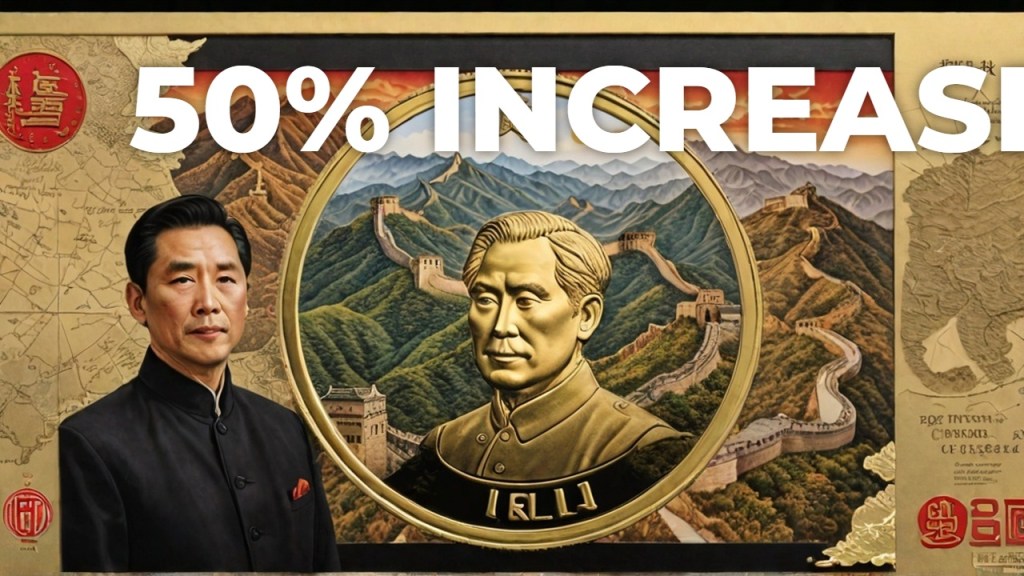
In a significant shift within the global trade landscape, China has introduced a new set of tariffs aimed at certain U.S. products, signaling an escalation in ongoing trade tensions between the two economic giants. These tariffs, which have sparked widespread concern among businesses and consumers alike, affect a diverse range of goods, from agricultural products like soybeans and pork to industrial components and consumer electronics. The implementation of these tariffs comes at a time when both countries are grappling with economic recovery from the pandemic, making the stakes even higher.
The new tariff structure is designed to apply additional duties on select imports, which officially reflects China’s strategic response to U.S. trade policies. By increasing costs for these products, China aims to leverage its position in the trade war, sending ripples through supply chains and affecting pricing structures across various sectors. Businesses that rely heavily on exporting to China may find their profit margins squeezed, leading to potential price hikes passed on to consumers in the U.S. For everyday consumers, this could mean paying more for popular items like electronics, clothing, and food products.
As the dust settles on this development, it becomes essential for U.S. businesses and consumers to stay informed about the implications of these tariffs. Understanding which products are affected and how this may alter the competitive landscape is crucial for making informed purchasing decisions in an increasingly complex economic environment. The interplay between these tariffs and domestic industries will undoubtedly shape the future of trade relations, warranting close attention from all stakeholders involved.
2. Impact on U.S. Manufacturers and Exporters
The recent escalation of trade tensions between the United States and China, underscored by China’s imposition of new tariffs on U.S. goods, has significant implications for American manufacturers and exporters. These tariffs, which target a wide array of products, from agricultural commodities to industrial machinery, pose immediate challenges for U.S. businesses that rely heavily on the Chinese market.
Manufacturers may experience a sharp increase in production costs as the tariffs make it more expensive to source raw materials and components from China. This cost surge can lead to a ripple effect throughout the supply chain, forcing manufacturers to either absorb the costs, which can erode profit margins, or pass them on to consumers, potentially leading to higher retail prices. For smaller manufacturers, who often operate with tighter margins, these changes can be particularly devastating, jeopardizing their competitiveness in both domestic and international markets.
Additionally, U.S. exporters may find themselves at a disadvantage as Chinese companies pivot to alternative suppliers from other countries to avoid the additional tariffs. This shift could diminish American companies’ market share in China, leading to a decline in sales and revenues. Industries such as agriculture, where U.S. farmers have historically relied on China as a significant export market, are especially vulnerable. The tariffs could result in surplus domestic production, driving prices down and affecting farmers’ livelihoods.
Moreover, the uncertainty surrounding trade policies can hinder long-term strategic planning for manufacturers and exporters. Businesses may hesitate to invest in new projects or expand their operations in light of an unpredictable trade landscape, further stifling growth and innovation.
In this complex environment, U.S. manufacturers and exporters must adapt by exploring new markets, diversifying supply chains, and investing in technological advancements to improve efficiency. While the immediate impact of China’s new tariffs is palpable, the long-term consequences will depend on how effectively American businesses navigate these turbulent waters.
3. Effects on Consumer Prices and Product Availability
As trade tensions between the U.S. and China continue to escalate, the implementation of new tariffs has significant implications for consumer prices and product availability in the American market. The tariffs, which target a wide array of goods, from electronics to clothing, are designed to protect domestic industries but, unfortunately, often do so at the expense of the average consumer.
One of the most immediate effects of these tariffs is an increase in consumer prices. When manufacturers face higher costs for imported materials and products, they frequently pass these expenses on to consumers. As a result, everyday items that American households rely on—such as smartphones, appliances, and even furniture—can see noticeable price hikes. For many consumers, this means budgeting for increased costs or, worse, opting for lower-quality alternatives as prices rise.
Moreover, the tariffs can lead to product shortages in certain categories. As U.S. companies adjust their supply chains to mitigate the impact of the tariffs, some may scale back production or delay product releases. This disruption can create gaps in availability, making it challenging for consumers to find specific items. For example, if a popular electronic device is produced primarily in China, the additional tariffs may cause retailers to limit stock or raise prices to offset the new costs, leaving consumers with fewer options.
The ripple effects of these tariffs also extend beyond the initial price increases and product shortages. Retailers often respond by reevaluating their sourcing strategies, which can lead to longer-term changes in where and how products are manufactured. This adjustment may eventually provide some relief as companies seek to establish more sustainable supply chains, but in the short term, consumers may face heightened uncertainty and fluctuating prices.
In summary, the new tariffs imposed on Chinese goods are poised to affect U.S. consumers in profound ways. As prices rise and product availability fluctuates, consumers must navigate a landscape that is increasingly influenced by geopolitical dynamics, underscoring the interconnectedness of global trade and everyday life. The journey may be challenging, but staying informed can empower consumers to make better choices in the face of these evolving market conditions.
4. Sector-Specific Implications (Electronics, Agriculture, etc.)
The implementation of China’s new tariffs has far-reaching implications across various sectors, most notably electronics and agriculture, which are two of the most affected industries.
In the electronics sector, the tariffs can lead to increased costs for manufacturers that rely on components sourced from China. Many U.S. companies, from tech giants to small startups, import critical electronic components—such as semiconductors, circuit boards, and batteries—from Chinese suppliers. As tariffs drive up costs, companies may be forced to pass these expenses onto consumers, resulting in higher prices for popular gadgets like smartphones, laptops, and home entertainment systems. Additionally, this could slow down innovation and product launches, as companies may hesitate to invest in new technologies amid an uncertain trade landscape.
The agricultural sector faces a different, yet equally challenging, scenario. China has historically been one of the largest importers of U.S. agricultural products, including soybeans, corn, and pork. However, with the new tariffs, Chinese buyers may turn to other markets for their supplies, such as Brazil or Argentina, to avoid the elevated costs associated with U.S. goods. This shift could lead to a surplus of crops in the U.S., driving prices down and impacting farmers’ incomes. Moreover, it creates an atmosphere of uncertainty, making it difficult for farmers to plan their planting and harvest seasons effectively.
In addition to these sectors, other industries—such as automotive, textiles, and consumer goods—will also feel the impact of the tariffs. In the automotive sector, for instance, tariffs on steel and aluminum can escalate production costs for manufacturers, potentially leading to higher prices for consumers. Similarly, the textile industry might see shifts in pricing structures as tariffs are applied to imported fabrics and finished garments.
Overall, the ripple effects of China’s new tariffs are complex and multifaceted, influencing not only the pricing and availability of products but also the dynamics of global supply chains. As businesses navigate this evolving landscape, consumers should remain vigilant about how these changes will ultimately affect their wallets and the marketplace at large.
One-Time
Monthly
Yearly
Make a one-time donation
Make a monthly donation
Make a yearly donation
Choose an amount
$5.00
$15.00
$100.00
$5.00
$15.00
$100.00
$5.00
$15.00
$100.00
Or enter a custom amount
$
Your contribution is appreciated.
Your contribution is appreciated.
Your contribution is appreciated.
DonateDonate monthlyDonate yearly
Advertisements
 Mastering the Art of Motivation: A Step-by-Step Guide to Helping Others Achieve Their Goals
Leave a comment