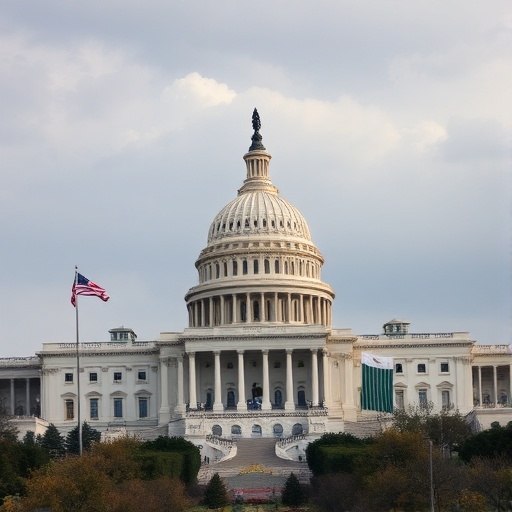
In the intricate dance of governance, few challenges are as pressing as the need to balance national defense with domestic priorities. The House GOP’s recent stopgap bill aims to address this delicate equilibrium, proposing a framework that seeks to fortify military readiness while simultaneously enacting significant cuts to domestic spending. As lawmakers grapple with rising global tensions and the imperative to maintain a robust defense posture, this legislation underscores the complexities of budgeting in a polarized political climate. In this blog post, we’ll delve into the key provisions of the stopgap bill, explore the potential implications for both defense and domestic programs, and analyze how these decisions reflect broader fiscal strategies and priorities in a rapidly changing world. Whether you’re a policy enthusiast, a concerned citizen, or simply curious about the shifting landscapes of federal funding, this comprehensive examination will shed light on the critical negotiations shaping the future of our nation’s budget.
1. Overview of the House GOP Stopgap Bill
The House GOP Stopgap Bill represents a pivotal legislative measure designed to navigate the complex terrain of budgetary constraints while addressing critical national defense priorities. In an era where fiscal responsibility is paramount, this bill seeks to ensure that defense spending is not only maintained but also enhanced, reflecting the growing global security challenges faced by the United States. At its core, the bill proposes a temporary funding solution that extends government operations, allowing lawmakers to bypass a potential shutdown while they continue to negotiate a more comprehensive budget.
One of the key features of the Stopgap Bill is its careful balancing act between appropriating necessary funds for defense initiatives and implementing domestic spending cuts. The GOP aims to safeguard defense budgets amidst calls for increased military funding, ensuring that the armed forces are well-equipped and prepared to address both existing and emerging threats. However, this commitment to defense comes with a trade-off, as the bill outlines specific reductions in various domestic programs. These cuts target areas deemed less critical, reflecting a prioritization of national security over certain social services and discretionary spending.
Furthermore, the bill is designed to foster bipartisan discussions by providing a framework for dialogue among various stakeholders. While it may face resistance from those advocating for robust domestic investment, the House GOP emphasizes the necessity of a strong defense as a foundation for overall national stability. As the bill moves through the legislative process, it is expected to spark debates on the implications of prioritizing defense spending in contrast to domestic needs, making it a significant topic in the current political landscape. Overall, the House GOP Stopgap Bill encapsulates a strategic approach to budgeting that underscores the complexity of maintaining national security while managing fiscal responsibility.
2. Key Provisions for Defense Spending
The House GOP’s stopgap bill reflects a strategic effort to balance defense priorities with necessary domestic spending cuts, all while ensuring national security remains a top priority. One of the key provisions in this bill is the proposed increase in funding for the Department of Defense, aimed at bolstering military readiness and modernization. This includes significant allocations for advanced weaponry, cybersecurity enhancements, and maintenance of existing military infrastructure, ensuring that the armed forces remain prepared to address global threats effectively.
Another notable provision is the emphasis on recruitment and retention programs. With an increasingly competitive job market, the bill outlines funding intended to attract and retain skilled personnel within the military. This includes expanding bonuses, education benefits, and support programs for military families, recognizing that a strong, dedicated workforce is crucial for maintaining operational effectiveness.
Additionally, the bill introduces measures aimed at enhancing defense cooperation with allies. This includes funding for joint training exercises and capabilities development, fostering stronger international partnerships that contribute to collective security. By investing in collaborative efforts, the bill not only addresses immediate defense needs but also reinforces long-term strategic alliances.
While the focus on defense spending is pronounced, the bill also includes strict parameters to ensure accountability and efficiency in military expenditures. Provisions for regular audits and oversight are included, reinforcing the importance of fiscal responsibility in managing taxpayer dollars while addressing security needs.
Overall, the key provisions for defense spending in the House GOP’s stopgap bill underscore a commitment to safeguarding national security while navigating the complexities of budgetary constraints. This balanced approach aims to ensure that the United States remains a formidable force on the global stage without compromising the fiscal stability that domestic programs require.
3. Proposed Cuts to Domestic Programs
The House GOP’s stopgap bill is a contentious proposal aimed at addressing the urgent need for defense funding while imposing significant cuts to domestic programs. As lawmakers grapple with the dual pressures of maintaining national security and managing a tight budget, the proposed cuts target essential services that many Americans rely on.
Among the most affected areas are health and human services, including reductions in programs that provide vital assistance to low-income families and vulnerable populations. Programs such as Medicaid and food assistance may see reduced funding, raising concerns about the potential impact on millions of beneficiaries who depend on these services for their daily well-being. Additionally, education funding is on the chopping block, threatening critical resources for public schools and the availability of financial aid for college students.
Moreover, the bill proposes cuts to environmental protections, which could hinder efforts to combat climate change and safeguard natural resources. By prioritizing defense spending at the expense of domestic initiatives, the House GOP is faced with the challenge of justifying these sacrifices to constituents who may feel the immediate effects of reduced support in their communities.
In this balancing act between bolstered military funding and domestic spending constraints, the proposed cuts serve as a stark reminder of the difficult choices that policymakers must navigate. As debates unfold on the House floor, the implications of these cuts will undoubtedly shape the broader conversation on fiscal responsibility and the role of government in supporting its citizens. Advocates for domestic programs are raising their voices, urging lawmakers to reconsider the potential long-term consequences of these funding cuts, as they strive for a more equitable approach to budgeting that reflects the needs of all Americans.
4. Potential Implications for National Security
As the House GOP navigates the complexities of the stopgap bill, one of the most pressing concerns is its potential implications for national security. The proposed balancing act between enhancing defense priorities and imposing cuts on domestic spending raises critical questions about the adequacy of funding for military readiness, intelligence operations, and ongoing international commitments.
Underfunding defense initiatives could hinder the military’s ability to respond effectively to emerging threats, from cyber warfare to geopolitical tensions that require a robust and agile response. The Department of Defense has long stressed the need for stable and predictable funding to maintain operational readiness and invest in advanced technologies that keep the nation secure. Cuts to defense spending could delay procurement of essential equipment, disrupt training schedules, and affect troop morale, ultimately compromising the effectiveness of U.S. forces.
Moreover, as the global landscape evolves, adversaries may exploit any perceived weaknesses in U.S. defense capabilities. A diminished investment in national security could embolden hostile entities, leading to increased aggression or destabilizing actions that put American interests and allies at risk. The challenge lies in ensuring that while the GOP seeks to uphold fiscal responsibility, it does not inadvertently weaken the very foundations that safeguard the nation’s security.
Additionally, the bill’s provisions may affect domestic programs that play a crucial role in supporting military families and veterans. Cuts to these programs could limit access to essential services, thus undermining the quality of life for those who have served the country.
In summary, the House GOP’s stopgap bill presents a delicate balancing act. While the intention to control domestic spending is commendable, the implications for national security must remain at the forefront of legislative discussions. Ensuring that defense priorities are adequately funded is essential not only for military readiness but also for maintaining the United States’ position as a global leader in security and stability. As lawmakers deliberate on this critical issue, the stakes for both military personnel and the nation’s security landscape could not be higher.
One-Time
Monthly
Yearly
Make a one-time donation
Make a monthly donation
Make a yearly donation
Choose an amount
$5.00
$15.00
$100.00
$5.00
$15.00
$100.00
$5.00
$15.00
$100.00
Or enter a custom amount
$
Your contribution is appreciated.
Your contribution is appreciated.
Your contribution is appreciated.
DonateDonate monthlyDonate yearly
Advertisements
SUBSCRIBE TO MY NEWSLETTER JOIN HERE
 Mastering the Art of Motivation: A Step-by-Step Guide to Helping Others Achieve Their Goals
Leave a comment