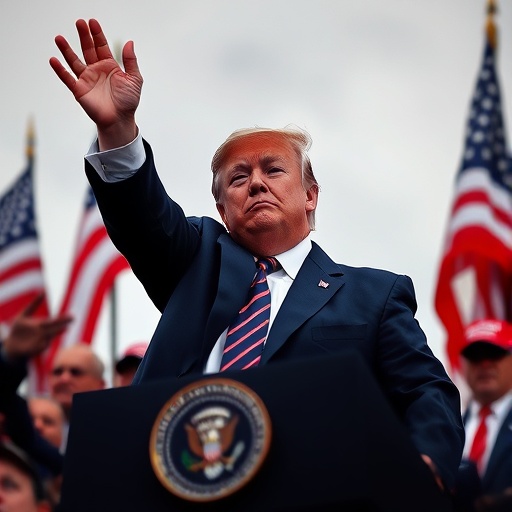
As the political landscape continues to shift, the prospect of Donald Trump pursuing a third term has ignited fervent discussions across the nation. With his unconventional approach to governance and a loyal base that remains enthusiastic about his leadership, Trump’s ambitions for a political comeback challenge traditional norms. But how exactly could he navigate the complexities of the U.S. political system to make this audacious goal a reality? In this blog post, we will delve into the various ‘methods’ and strategies that might underpin his quest for a third term, from leveraging grassroots movements to reshaping party dynamics. With a keen eye on the evolving electoral landscape, we will explore the implications of his potential return and what it means for the future of American politics. Buckle up as we examine the intricate web of possibilities that could pave the way for Trump’s unconventional resurgence!
1. Understanding the Constitutional Framework for a Third Term
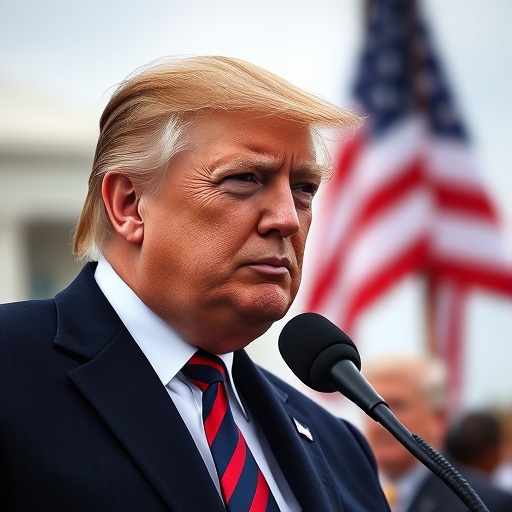
To understand the complexities surrounding Donald Trump’s ambitions for a potential third term, it is crucial to first delve into the constitutional framework that governs presidential terms in the United States. The 22nd Amendment, ratified in 1951, explicitly limits individuals to two terms as President, a safeguard implemented in response to Franklin D. Roosevelt’s unprecedented four-term presidency. This amendment asserts that “No person shall be elected to the office of the President more than twice,” establishing a clear legal boundary for anyone seeking to hold the nation’s highest office.
However, the landscape of American politics is often more nuanced than a straightforward reading of the Constitution might suggest. While the 22nd Amendment restricts the election of a former president to two terms, it does not prohibit a president from running for and potentially winning the office again after sitting out a term. Trump, having served one term from 2017-2021, could technically mount a campaign for a second term in future elections. This possibility raises questions about how he might navigate the political and legal landscape to pursue what some might see as an unconventional comeback.
Moreover, there are discussions among legal scholars regarding the potential for creative interpretations of the amendment. Some argue that unique circumstances, such as unprecedented political unrest or a national emergency, could sway public opinion and potentially open doors for a reexamination of term limits. Ultimately, understanding these constitutional intricacies is essential as we analyze Trump’s ambitions and the methods he may leverage in his quest for a third term. As the political discourse evolves, so too will the strategies employed by those seeking to challenge the boundaries of established norms, making it imperative to keep a close eye on both legal interpretations and public sentiment surrounding this contentious issue.
2. The Role of Grassroots Movements in Trump’s Comeback
In the landscape of American politics, grassroots movements have often been the driving force behind significant shifts, and Donald Trump’s potential ambitions for a third term are no exception. As he seeks to navigate a complex political terrain, these grassroots efforts could play a pivotal role in shaping his comeback strategy. At the heart of this movement is the fervent support from his base, a coalition of voters who remain deeply loyal to his brand of politics.
Grassroots movements thrive on local engagement, organizing rallies, mobilizing volunteers, and crafting messages that resonate within communities. Trump’s ability to harness this energy could be instrumental in galvanizing support at a time when traditional campaign strategies might falter. By tapping into the passion of his supporters, he can create a sense of urgency and excitement around his candidacy, reminiscent of his first campaign in 2016.
Moreover, grassroots organizations provide a platform for grassroots fundraising, allowing small-dollar donations to accumulate into substantial war chests. This model not only empowers supporters but also fosters a sense of ownership among them, making them more likely to advocate for Trump’s message and mobilize others within their networks. Social media has further amplified these movements, enabling rapid information dissemination and grassroots organization in ways that were previously unimaginable.
Ultimately, the success of Trump’s unconventional comeback may very well hinge on his ability to galvanize these grassroots movements. By focusing on local issues, engaging directly with communities, and maintaining a strong presence in the public eye, he can build the momentum necessary for a formidable challenge. As the political landscape continues to evolve, the role of grassroots support will be an essential element to monitor, as it could very well dictate the feasibility of his aspirations for a third term.
3. Reshaping Party Dynamics: Strategies for Gaining Support
As Donald Trump sets his sights on a potential third term, reshaping party dynamics will be crucial for garnering the necessary support within the GOP and beyond. Understanding the intricate web of party alliances and grassroots movements is key to navigating the political landscape. One of the primary strategies involves leveraging his established base while simultaneously courting hesitant party members. Trump can capitalize on his strong brand loyalty by engaging in town halls and rallies that emphasize shared values, such as economic growth, national security, and immigration reform.
Additionally, forming strategic alliances with influential party figures and grassroots organizations is essential. By aligning with key stakeholders—such as state party chairpersons and local influencers—Trump can create a coalition that advocates for his vision, thereby increasing his chances of securing endorsements that resonate with undecided voters.
Furthermore, tapping into the growing sentiment among voters who feel disillusioned with traditional political norms can serve as a powerful rallying point. Emphasizing his outsider status, Trump can position himself as a champion for change, appealing to those who are eager for a break from the status quo. Harnessing social media to amplify this message and engage directly with supporters will help him create a sense of urgency and excitement around his campaign.
Ultimately, reshaping party dynamics requires a blend of outreach, strategic positioning, and grassroots mobilization. By employing these methods, Trump can galvanize support not only within the Republican Party but also among a broader electorate, setting the stage for an unconventional comeback in the political arena.
4. Leveraging Media and Communication Channels
In the realm of modern politics, the ability to effectively leverage media and communication channels can make or break a candidate’s comeback. As Donald Trump eyes a potential third term, understanding and harnessing these platforms is critical to his strategy. First and foremost, social media remains a powerful tool for reaching a vast audience swiftly and directly. Trump’s history of using Twitter—now a platform of his own design, Truth Social—has shown that he understands the power of messaging in the digital age. By crafting concise, impactful statements and sharing them across platforms, he can engage his base, rally supporters, and keep his presence prominent in the political discourse.
Moreover, traditional media still plays a role in shaping public perception. Trump’s approach often blends the sensational with the strategic, utilizing interviews, press conferences, and even rallies to capture headlines and maintain visibility. His ability to dominate news cycles through provocative statements or bold claims not only keeps him in the public eye but also sets the narrative for his supporters and critics alike.
Podcasts and alternative media are also emerging as key channels. By connecting with influential podcasters and independent media outlets, Trump can reach demographics that traditional media may overlook, enhancing his grassroots appeal. This diversification of communication channels enables him to bypass mainstream media filters, delivering his message directly to audiences who are eager for his perspective.
Finally, engagement with visual media—whether through compelling video content on platforms like YouTube or live-streaming events—can enhance emotional connections with voters. By showcasing personal stories, testimonials, and behind-the-scenes glimpses of his campaign, Trump can create a relatable image that resonates with constituents.
In conclusion, Trump’s ambitions for a third term will rely heavily on his ability to navigate and manipulate the media landscape. By strategically leveraging various communication channels, he can craft a narrative that not only revisits his previous successes but also addresses contemporary issues, ultimately galvanizing support for an unconventional comeback.
One-Time
Monthly
Yearly
Make a one-time donation
Make a monthly donation
Make a yearly donation
Choose an amount
$5.00
$15.00
$100.00
$5.00
$15.00
$100.00
$5.00
$15.00
$100.00
Or enter a custom amount
$
Your contribution is appreciated.
Your contribution is appreciated.
Your contribution is appreciated.
DonateDonate monthlyDonate yearlySubscribe to get access
Read more of this content when you subscribe today.
 Mastering the Art of Motivation: A Step-by-Step Guide to Helping Others Achieve Their Goals
Leave a comment