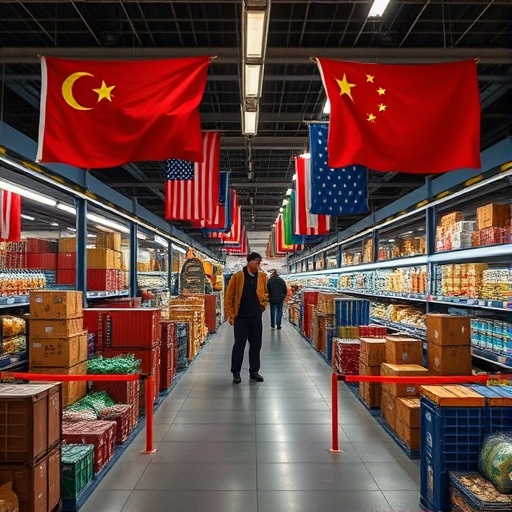
In an increasingly interconnected global economy, the ramifications of trade policies can reverberate far beyond the boardrooms of multinational corporations, directly affecting the wallets of everyday consumers. Tariff surcharges, often implemented as a response to trade disputes, can lead to increased prices on a wide array of products, from electronics to groceries. As tensions escalate between nations, understanding how these surcharges work becomes crucial for anyone looking to navigate the complexities of the current trade landscape. In this blog post, we will delve into the intricacies of tariff surcharges, explore how the ongoing trade war impacts prices across various sectors, and provide practical insights on how you can mitigate its effects on your personal finances. Whether you’re a savvy shopper or a concerned citizen, this guide will equip you with the knowledge to make informed decisions in an ever-changing economic climate.
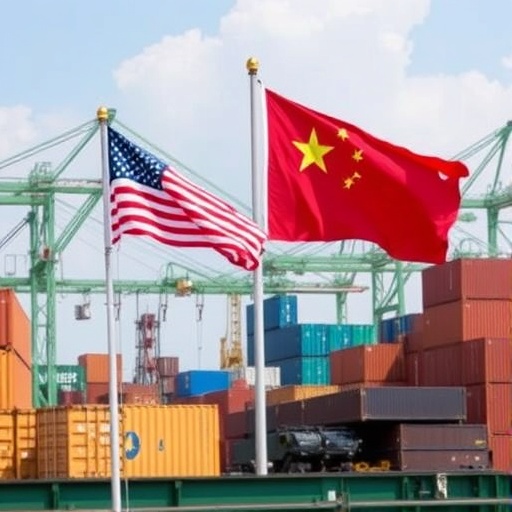
1. What Are Tariff Surcharges and How Do They Work?
Tariff surcharges are additional fees imposed on imported goods, typically as a means of protecting domestic industries from foreign competition. When a government decides to implement tariffs, it does so by levying a percentage of the value of imported products, making them more expensive. These surcharges are often enacted during trade disputes or wars, where countries retaliate against one another’s trade policies.
For instance, when a country introduces a tariff on steel imports, it can lead to higher prices not just for steel products, but also for any consumer goods that rely on steel components—think automobiles, appliances, and construction materials. The overarching goal of such surcharges is to discourage consumers from purchasing foreign goods, thereby encouraging them to buy domestically produced items.
How do these surcharges impact you? When tariffs are imposed, businesses often pass the additional costs down to consumers. This means that what you pay at the checkout for various products may rise, affecting everything from the price of your morning coffee to the cost of new furniture for your home. Understanding how tariff surcharges work can help you make informed purchasing decisions and prepare for potential price increases in the marketplace. Ultimately, in a global economy, these surcharges can lead to a ripple effect, influencing consumer behavior and economic stability on a broader scale.
2. The Impact of the Trade War on Consumer Prices
The ongoing trade war has sent ripples through the economy, and consumers are starting to feel the effects in their wallets. As tariffs on various goods increase, companies often pass those costs onto customers, leading to higher prices on everyday items. From electronics to clothing, the price surges can be surprising and unwelcome. For instance, tariffs imposed on imported steel and aluminum have affected the manufacturing costs for a wide range of products, including vehicles and appliances. As manufacturers scramble to adjust their pricing strategies, consumers may notice that their favorite brands are no longer as affordable as they once were.
Beyond immediate price increases, the trade war has created an unpredictable market environment. Businesses are compelled to rethink their supply chains, which can lead to shortages or delays in product availability. This uncertainty often results in consumers facing not only higher prices but also limited options when shopping. For families budgeting their monthly expenses, the added financial strain of increased prices can lead to difficult decisions about what to purchase and what to forgo.
Moreover, the impact of the trade war extends beyond the price tags on individual products. It can also influence inflation rates, as a broader increase in prices can erode purchasing power. This means that while your paycheck may remain the same, the value of that money is diminished as goods and services become more expensive. Understanding these dynamics is crucial for consumers navigating the shifting landscape of a trade war, where each price increase is not just a minor inconvenience but a reflection of larger economic forces at play. As consumers, staying informed about these changes can help you make better purchasing decisions and anticipate the potential impact on your household budget.
3. Key Sectors Affected by Tariff Increases
The ongoing trade war and subsequent tariff surcharges have sent ripples through various sectors of the economy, affecting consumers and businesses alike. Understanding which industries are most impacted can help you anticipate changes in pricing and availability, allowing for better financial planning.
One of the most affected sectors is manufacturing, particularly those reliant on imported raw materials. Industries such as automotive and electronics face hefty tariffs on components sourced from other countries, which can lead to increased production costs. These costs often trickle down to consumers in the form of higher prices for cars, computers, and appliances.
The agricultural sector is another key player in this tariff saga. Farmers and agricultural businesses have been hit hard, especially those exporting goods like soybeans and pork to countries that have retaliated with tariffs. As these products become less competitive in foreign markets, domestic prices may fluctuate, impacting everything from grocery bills to the overall economy.
Retail is also feeling the strain. Many retailers import goods from overseas, and as tariffs rise, so do the prices of products like clothing, electronics, and household items. This can lead to diminished profit margins for businesses and potentially higher prices for consumers as retailers pass on the costs.
Additionally, the construction industry, which often relies on imported materials such as steel and aluminum, has experienced significant tariff increases. These surcharges can drive up project costs, impacting everything from home renovations to large-scale infrastructure projects. As construction costs rise, prospective homeowners and builders may face delays or increased prices for new developments.
In summary, the ripple effects of tariff surcharges reach far and wide, impacting manufacturing, agriculture, retail, and construction. Staying informed about these changes can help consumers navigate the evolving economic landscape and make smarter purchasing decisions amidst the complexities of the trade war.
4. Strategies to Mitigate the Financial Impact of Tariff Surcharges
As tariff surcharges continue to influence the cost of goods and services, it’s essential for consumers and businesses alike to adopt strategies that can help mitigate their financial impact. Understanding how to navigate this economic landscape can save you money and help you make more informed purchasing decisions.
**1. Diversify Your Suppliers: ** One of the most effective strategies is to broaden your supplier base. By sourcing products from countries not affected by tariffs, you can often find more competitive prices. This may require some initial research and adjustments, but the long-term savings can be worth the effort. Consider looking into suppliers from regions that have favorable trade agreements with your country.
**2. Buy in Bulk: ** If you anticipate that prices will continue to rise due to tariffs, consider purchasing items in bulk. Many retailers offer discounts for larger purchases, and stocking up now can shield you from future price increases. This strategy works particularly well for non-perishable goods or items you frequently use.
**3. Adjust Your Budget: ** Review your personal or business budget to account for the increased costs resulting from tariff surcharges. By identifying non-essential expenses that can be reduced or eliminated, you can allocate more funds to essential purchases that may have increased in price. This proactive adjustment will help you maintain financial stability despite the fluctuations caused by tariffs.
**4. Keep an Eye on Market Trends:** Staying informed about market trends and tariff developments is crucial. Subscribe to industry newsletters, follow economic news, and keep an eye on trade policies. Understanding the broader economic climate can help you anticipate price changes, allowing you to plan your purchases strategically.
**5. Embrace Local Products:** Supporting local businesses can be a win-win situation. Not only does it help your community, but it can also reduce costs associated with import tariffs. Look for local alternatives to imported goods, which can often be more affordable and readily available.
**6. Negotiate with Vendors:** If you are a business owner facing rising costs due to tariffs, don’t hesitate to negotiate with your suppliers. Building strong relationships can lead to better terms and pricing. Discussing your concerns about tariff impacts may encourage vendors to offer discounts or alternative solutions.
By implementing these strategies, you can better manage the financial impacts of tariff surcharges, ensuring that your wallet remains as healthy as possible in the face of ongoing trade uncertainties. With a proactive approach, you can navigate these changes effectively, allowing you to continue enjoying the products and services you need without breaking the bank.
One-Time
Monthly
Yearly
Make a one-time donation
Make a monthly donation
Make a yearly donation
Choose an amount
$5.00
$15.00
$100.00
$5.00
$15.00
$100.00
$5.00
$15.00
$100.00
Or enter a custom amount
$
Your contribution is appreciated.
Your contribution is appreciated.
Your contribution is appreciated.
DonateDonate monthlyDonate yearlySubscribe to get access
Read more of this content when you subscribe today.
Learn how you can earn money weekly with newsletter JOIN NOW
 Mastering the Art of Motivation: A Step-by-Step Guide to Helping Others Achieve Their Goals
Leave a comment