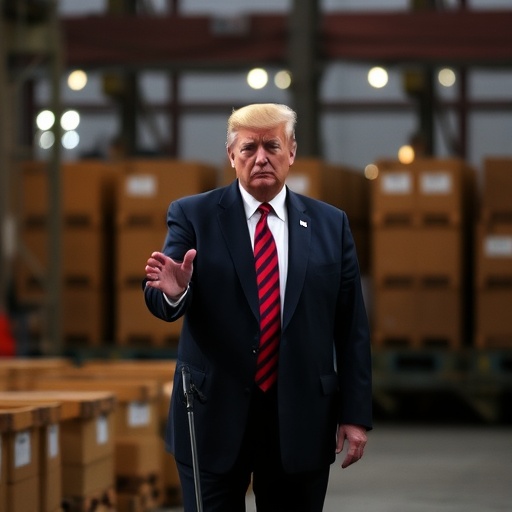
In a significant development for international trade and U.S. economic policy, the appeals court has ruled that the controversial tariffs imposed during the Trump administration will remain in place for the time being. These tariffs, which have long been a point of contention among businesses, consumers, and policymakers alike, continue to impact industries ranging from steel and aluminum to consumer electronics. As debates over trade practices and economic strategy persist, this ruling underscore the ongoing complexities and uncertainties in the global marketplace. In this blog post, we’ll break down what the appeals court decision means, its potential implications for businesses and consumers, and what to watch for in the coming months.
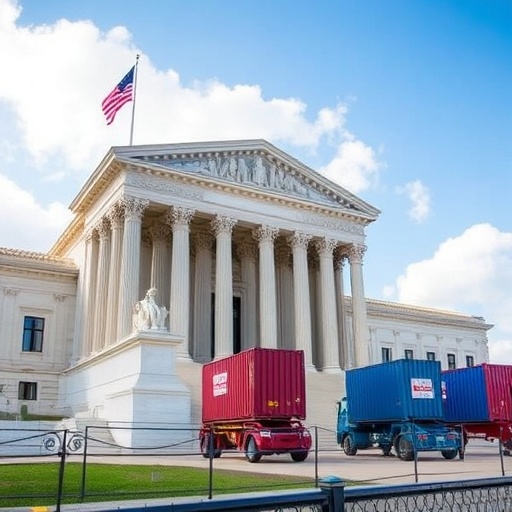
1. of the Appeals Court Ruling
### Breakdown of the Appeals Court Ruling
The recent decision by the Appeals Court has significant implications for the ongoing trade tensions and economic policies involving the Trump-era tariffs. The court ruled to maintain the tariffs in place for the time being, meaning that duties on a wide range of imported goods will continue to affect businesses and consumers alike. This ruling upholds the government’s authority to impose tariffs as a tool for protecting domestic industries and addressing trade imbalances.
The court’s decision was based on a detailed review of the legal challenges questioning the legitimacy and scope of the tariffs. While some parties argued that the tariffs exceeded the executive branch’s authority or were improperly implemented, the court ultimately found that the administration acted within its rights. However, the ruling is not necessarily the final word on the matter, as further appeals or legislative actions could alter the status quo.
For now, companies that rely on imports subject to these tariffs must continue to navigate the cost implications, which may influence pricing, supply chains, and market strategies. Consumers may also feel the impact through higher prices on certain goods. The Appeals Court ruling underscores the complex balance between protecting domestic interests and fostering international trade relations, leaving many to watch closely how the situation will evolve in the coming months.
2. ending on Trump-Era Tariffs
**The Latest on Trump-Era Tariffs**
In a recent decision, the appeals court has ruled to keep the Trump-era tariffs in place for the time being. This ruling means that the additional duties imposed on a range of imported goods will continue to affect businesses and consumers alike, maintaining the status quo amidst ongoing legal challenges. The tariffs, originally implemented to protect domestic industries and address trade imbalances, have been a point of contention, with opponents arguing that they increase costs for manufacturers and consumers, while supporters claim they safeguard American jobs. As the legal process unfolds, stakeholders are watching closely, anticipating further developments that could reshape the trade landscape and impact supply chains, pricing, and international relations. For now, the appeals court’s decision underscores the complexity and continued relevance of trade policies enacted during the previous administration.
3. Impact on Businesses and Consumers
The recent decision by the appeals court to keep the Trump-era tariffs in place for the time being continues to have significant repercussions for both businesses and consumers. For businesses, especially those reliant on imported goods, these tariffs mean sustained higher costs for raw materials and finished products. Manufacturers may face tighter profit margins as they absorb these expenses or pass them along the supply chain. Small and medium-sized enterprises, in particular, could struggle to remain competitive if they cannot offset these increased costs. On the consumer side, the impact often translates into higher prices for everyday products, from electronics to household goods. This can reduce purchasing power and lead to shifts in consumer behavior, such as seeking out alternative products or delaying non-essential purchases. Moreover, the continued uncertainty around trade policies can hinder long-term planning and investment decisions across various industries. While some sectors might benefit from protective tariffs against foreign competition, the overall economic landscape remains cautious as stakeholders await further developments.
4. l Long-Term Economic Implications
The recent decision by the appeals court to keep the Trump-era tariffs in place for now carries significant long-term economic implications. While the immediate effect maintains the status quo of increased import costs, businesses and consumers alike may continue to feel the ripple effects over time. Prolonged tariffs can lead to sustained higher prices on goods, which may contribute to inflationary pressures within the economy. Additionally, ongoing trade tensions can disrupt global supply chains, prompting companies to reconsider sourcing strategies and potentially invest in reshoring or diversifying suppliers to mitigate risks. For domestic industries that benefit from protective tariffs, this ruling offers temporary relief, but it may also limit competition that drives innovation and efficiency. Moreover, the uncertainty surrounding the future of these tariffs could influence international trade relationships and negotiations, affecting not only bilateral ties but also the broader global economic landscape. As policymakers and businesses navigate this complex environment, understanding the long-term implications of tariff policies remains crucial for strategic planning and economic stability.
One-Time
Monthly
Yearly
Make a one-time donation
Make a monthly donation
Make a yearly donation
Choose an amount
$5.00
$15.00
$100.00
$5.00
$15.00
$100.00
$5.00
$15.00
$100.00
Or enter a custom amount
$
Your contribution is appreciated.
Your contribution is appreciated.
Your contribution is appreciated.
DonateDonate monthlyDonate yearly Mastering the Art of Motivation: A Step-by-Step Guide to Helping Others Achieve Their Goals
Leave a comment